
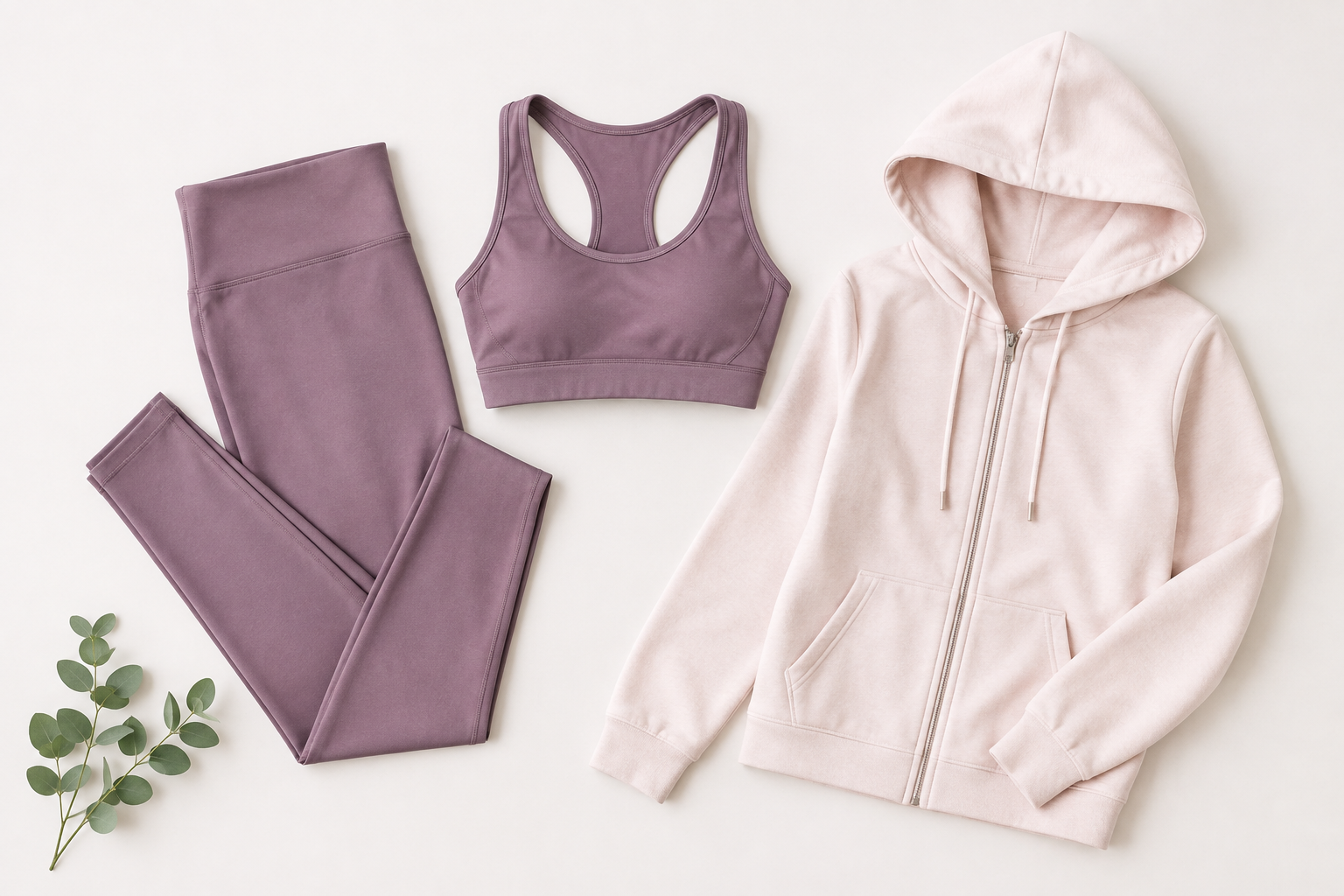
What Are You Looking for in Sportswear?
Choosing athletic clothing involves much more than meets the eye. Yes, aesthetics matter — but the real point is finding a garment that supports movement, makes your body feel comfortable, and suits your activity. Someone heading out for a morning walk has very different needs from someone doing yoga. What a Pilates studio-goer expects doesn't align with what someone sweating on a treadmill needs.
This guide was prepared to explain in plain language what to look for in sportswear, which features truly make a difference, and how to avoid the common traps people fall into while shopping. We recommend taking a few minutes to read this guide before browsing the sportswear category.
What You Need to Know to Choose the Right Athletic Clothing
1. Choose Based on Activity
The most fundamental rule of sportswear is this: clothing should be chosen according to the activity. Each sport has different range of motion, sweat intensity, and support requirements.
- Running and walking: Lightweight, breathable, and moisture-wicking fabrics are a priority. Cuts that don't restrict leg movement should be preferred.
- Yoga and Pilates: Fabrics that are flexible and make body movement visible, snug but not compressive, are ideal. Leggings are the most commonly preferred bottom wear for these activities.
- Fitness and weight training: Products with high freedom of movement, durability, and shape retention stand out.
- Dance and aerobics: Cuts that offer a wide range of motion, don't cling to the body, but also don't sag or fall are appropriate.
- Outdoor activities: Pieces with wind and moisture resistance that are suitable for layering should be preferred.
2. Fabric Choice Is Decisive
In athletic clothing, fabric is the foundation of comfort. The wrong fabric can cause irritation, excessive sweating, or restricted movement.
- Polyester and nylon blends: High moisture management, quick-drying, shape-retaining. These are the primary fabrics preferred in most sportswear.
- Spandex / elastane: Provides stretch. Frequently used in leggings and sports bras.
- Cotton: Loved for its soft and natural feel; however, it retains sweat and is not preferred for intense exercise. It is suitable for light walks or warm-up exercises.
- Bamboo and modal: Gentler alternatives for sensitive skin. They have high breathability.
If you'd like more information about fabric properties, you can check out our Fabric and Care Guide page.
3. Size and Fit Compatibility
Choosing the right size in sportswear should be evaluated differently from everyday clothing. A garment that is too tight restricts movement; one that is too loose creates discomfort during exercise.
- For leggings and athletic tights, waist and hip measurements should be evaluated together.
- For sports bras, chest circumference and cup size must be determined correctly; choosing the wrong size negatively affects both comfort and support.
- For tops, shoulder width and freedom of arm movement should be the primary criteria.
To accurately determine your measurements, you can use our Size and Fit Guide page.
4. Season and Environmental Conditions
Are you exercising outdoors or indoors? The answer to this question directly affects your clothing choice.
- In cold weather, a layering system should be applied: a moisture-wicking base layer, a heat-retaining mid layer, and a wind-resistant outer layer.
- In summer months, light-colored, lightweight, and UV-protective fabrics can be preferred.
- In indoor gyms, breathable fabrics are sufficient regardless of the season.
Common Mistakes in Sportswear Shopping
There are some well-intentioned mistakes made while shopping that lead to regret later. Here are the most common ones:
- Choosing based on appearance alone: A pair of leggings that looks great in a photo may become see-through during movement or the waistband may slide down. Check product reviews whenever possible.
- Buying a product that doesn't suit the activity: Using leggings designed for running in yoga, or vice versa, significantly reduces comfort.
- Neglecting the sports bra: A wrong or insufficiently supportive sports bra can cause serious discomfort in the long run. Choose from low, medium, or high-support models based on the intensity of the activity.
- Not reading care instructions: Sportswear often requires special washing. Incorrect washing damages the fabric's functionality.
- Buying a size too large or too small: Size flexibility in sportswear is limited. Shopping without taking proper measurements leads to return processes.
- Using the same type of clothing for all activities: Different sports have different needs. Having at least two pieces suitable for different activities in your wardrobe is more practical in the long run.
Checklist for Sportswear Shopping
Before heading out to shop or placing an online order, ask yourself these questions:
- Which activity will I use this garment for?
- What is the intensity of the activity? (low, moderate, high)
- Am I exercising indoors or outdoors?
- Which season will I use it in?
- What is the fabric content? Does it have moisture management?
- Are my measurements correct? Have I checked the product's size chart?
- Is the sports bra support level appropriate for my activity?
- Have I read the product reviews? Are there complaints about transparency or slipping?
- Are the care instructions compatible with my daily routine?
- Can this piece be combined with the other sportswear I already own?
If you want to incorporate sportswear into your everyday life, you can also check out our Outfit Ideas page; you can find inspiration for sport-casual combinations.
Frequently Asked Questions
How should I choose athletic leggings?
Decide based on your activity. High-waisted models provide waist support and are found to be more comfortable by most women. Check the opacity of the fabric; transparency issues can occur especially with light-colored leggings. Take measurements according to the size chart; for leggings, waist and hip measurements should be evaluated together.
What should I pay attention to when choosing a sports bra?
The level of support should be determined based on the intensity of the activity. While lightly supportive models are sufficient for low-intensity activities like yoga, high-support models should be preferred for high-intensity activities like running. Adjustability of the band and straps is also an important criterion.
How should sportswear be washed?
Most sportswear should be washed at 30°C on a delicate cycle. Avoid using fabric softener; it can damage elastane and moisture management properties. If possible, place in a laundry bag and wash inside out. Prefer air drying over a tumble dryer.
Can sportswear be worn in everyday life?
Yes, thanks to the athleisure trend, sportswear has become part of everyday outfits. Pieces like leggings, sports sweatshirts, or hoodies can create a stylish and comfortable look with the right combinations. You can browse options suitable for this style in our Sweatshirt and Hoodie category.
What should I pay attention to when choosing plus-size sportswear?
High-waisted leggings support the abdominal area and reduce the problem of slipping during movement. Wide-strap sports bras provide more support in the shoulder area. The stretch and recovery properties of the fabric are especially important when choosing plus sizes. You can find content specifically on this topic on our Plus Size Clothing page.