
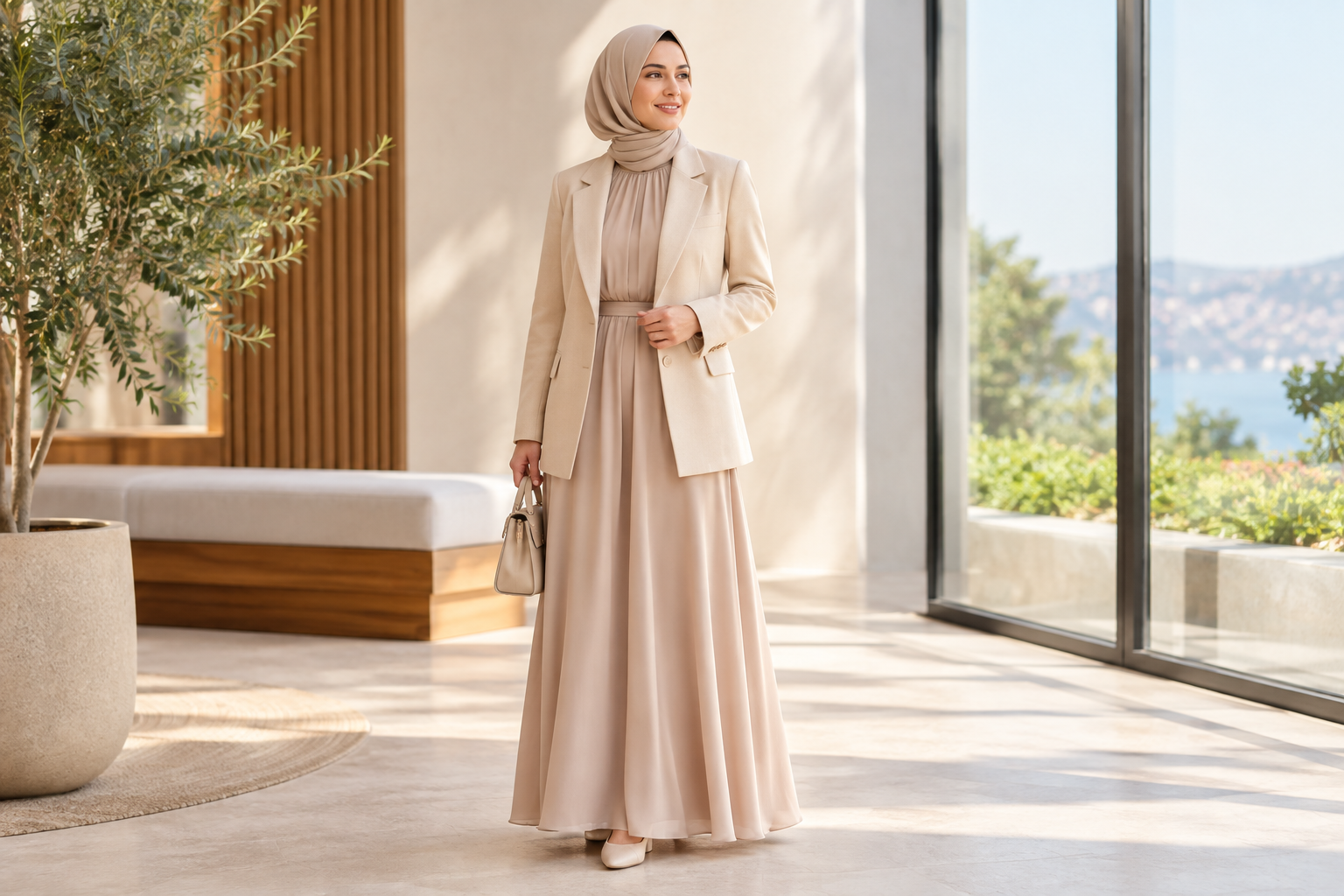
What Is Modest Fashion and What Should You Look For?
Modest fashion is a style philosophy that brings the choice of modest dressing into every area of daily life, offering comfort and elegance at the same time. Many women shopping in this space encounter the question: "How do I find pieces that both meet my modesty principles and suit me?" The answer actually comes down to a few key criteria: the right fabric, the right cut, and staying true to your personal style.
The pieces you look for in modest fashion should first and foremost be non-form-fitting, non-transparent, and of sufficient length. However, these criteria don't confine you to a one-size-fits-all wardrobe; on the contrary, the options for color, pattern, and silhouette are quite broad. You can explore this variety in the Modest Fashion category.
Practical Criteria for Choosing the Right Piece
Keeping the following criteria in mind while shopping saves both time and money.
Fabric Selection
Fabric is perhaps the most critical element in modest fashion. Transparent or body-clinging fabrics can undermine the purpose of modest dressing. In general, the following fabrics are recommended:
- Viscose and modal: Ideal for summer months thanks to their flowy, breathable, and non-clinging nature.
- Crepe: Useful for both everyday and special occasions due to its light weight and matte appearance.
- Velvet and cashmere: Offer warmth and elegance together during the winter months.
- Cotton weaves: A comfortable option for home environments and everyday use.
For more information about fabric properties, you can visit the Fabric and Care Guide page.
Cut and Silhouette
In modest fashion, the cut directly affects both the coverage function and the overall look. Key points to pay attention to include:
- Tunics and long blouses comfortably cover the waist and hip area when worn over trousers or skirts.
- Oversized cuts can look stylish; however, pieces chosen too large can create a disproportionate silhouette.
- A-line skirts and wide-leg trousers are both comfortable and practical from a coverage standpoint.
- Pay attention to sleeve length: three-quarter sleeve pieces are functional during seasonal transitions.
Color and Pattern Balance
Color and pattern choices in modest fashion are entirely a matter of personal preference. That said, a few practical tips can make things easier:
- Build the foundation of your wardrobe with neutral colors (cream, beige, navy, black) and add colorful or patterned pieces on top.
- If you're wearing a patterned piece, keep the other pieces simple.
- Choosing color palettes appropriate to the season makes your outfit look more cohesive.
Outfit Coordination
When putting together modest outfits, the layering technique offers great convenience. For example, adding a jacket or blazer over a long dress creates a look that is both stylish and practical. Sweater and cardigan combinations can be an indispensable choice during the winter months. For more inspiration, you can browse the Outfit Suggestions page.
Common Mistakes in Modest Fashion
Certain mistakes are frequently repeated when shopping or putting together outfits. Knowing them in advance protects you from unnecessary spending and disappointment.
- Always buying a larger size: Choosing every piece in a larger size for the sake of coverage can lead to a disproportionate and unkempt appearance. You can use the Size and Fit Guide to choose the right size.
- Ignoring fabric quality: Cheap and thin fabrics cause both transparency issues and quick wear and tear.
- Single-color wardrobe: Building your entire wardrobe in black or a single color makes outfits monotonous.
- Not considering the season: Wearing winter fabrics in summer creates both discomfort and visual inconsistency.
- Neglecting accessories and shoes: The right shoes and bag selection are among the most important elements that complete an outfit.
- Shopping only for special occasions: Pieces suitable for everyday use should form the backbone of your wardrobe. The Everyday Wear category can guide you on this.
Modest Fashion Shopping Checklist
Review this list before heading out to shop or placing an online order:
- Check the fabric content; avoid transparent or very thin fabrics.
- Measure sleeve length and skirt/tunic length, or verify from the product description.
- Choose your correct size; consult the size chart if necessary.
- Think about whether you can create at least two different outfits with the pieces already in your wardrobe.
- Mind the color and pattern balance; make sure the new piece is compatible with what you already own.
- Evaluate its suitability for the season and intended use (everyday, work, special occasion).
- Find out the return and exchange conditions in advance.
Frequently Asked Questions
Which fabrics should be preferred in modest fashion?
Viscose, modal, crepe, and cotton weaves both fulfill the coverage function and provide all-day comfort. During winter months, thicker fabrics such as velvet and cashmere can be preferred.
How is layering done in modest outfits?
Adding a jacket, cardigan, or vest over a long dress or tunic is the most practical layering method. This way, both coverage is achieved and flexibility is gained during seasonal transitions.
What should be considered in plus-size modest fashion?
Cuts that are proportionate but not form-fitting should be preferred, and overly baggy pieces should be avoided. The Plus-Size Clothing category features options specifically tailored to this topic.
What should modest workwear look like?
For the workplace, combinations of plain-colored or fine-striped trousers, a long tunic or blouse, and a blazer jacket on top offer a look that is both professional and in line with modesty principles. You can find more suggestions on the Office Wear page.
How are special occasion outfits created in modest fashion?
For invitations and special occasions, long dresses or evening gown styles made from flowy fabrics can be preferred. The Evening & Occasion Wear category features options suitable for such events.